
Building or renovating a property in Cyprus sounds simple enough on paper hire a contractor, agree on a plan, and watch the work happen. In practice, it rarely works that way. Between permits, local building regulations, material choices suited to the island’s climate, and coordinating everyone from architects to electricians, a project can quickly turn into a full-time job for whoever’s overseeing it. That’s really the whole idea behind a complete construction and renovation service: someone else carries that weight, so you don’t have to become a part-time project manager on top of everything else in your life.
At Besaro, we’ve seen how often projects go sideways not because the work itself was hard, but because nobody was steering the whole thing from start to finish. This article walks through what “complete” construction and renovation actually means in the Cyprus context, why it matters here specifically, and what to look for if you’re considering it.
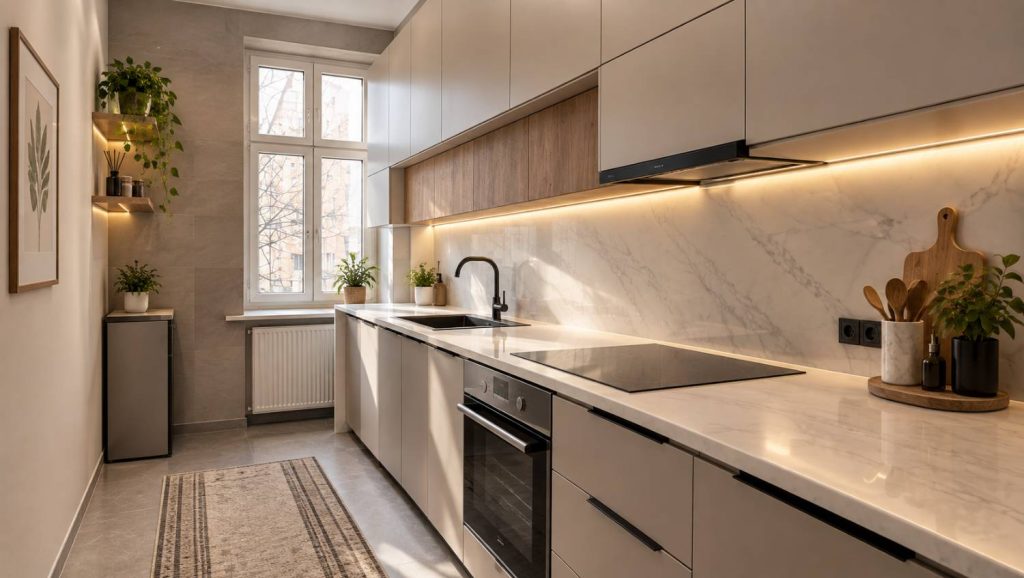
What “Complete” Construction and Renovation Actually Means
The word “complete” gets used loosely in this industry, so it’s worth being specific. A genuinely complete service typically covers:
- Design and planning working out what you actually want, and whether it’s realistic given the property, budget, and local regulations
- Permits and approvals handling the paperwork with local authorities rather than leaving it to you
- Structural and civil work the actual building, demolition, or structural changes involved
- Electrical, plumbing, and mechanical systems the parts of a build that are invisible once finished but expensive to fix later if done poorly
- Finishing work flooring, painting, fitted furniture, and everything that turns a shell into a livable space
- Project coordination making sure the plumber isn’t showing up before the walls exist, and that delays in one trade don’t quietly cascade into delays everywhere else
When any one of these pieces is missing, the burden of connecting the dots falls back on the property owner — which is exactly the situation most people are trying to avoid when they hire professionals in the first place.
Why This Matters More in Cyprus Than It Might Elsewhere
A few things about building and renovating in Cyprus make the “complete service” model particularly worth considering here.
The Permit Process Has Real Teeth
Almost any construction or renovation work in Cyprus requires planning permission, and separately, a building permit — two different approvals issued under different laws. Planning permission addresses whether a project is allowed at a given location under local zoning rules, while the building permit confirms the technical design meets structural, fire safety, and energy standards. Since 2024, applications for these have moved online through the IPPODAMOS platform, which has streamlined some of the process but hasn’t reduced the paperwork itself.
Skipping or mishandling either step isn’t a minor administrative slip. Cyprus has a well-documented history of unauthorized construction, and enforcement includes fines and, in serious cases, demolition orders. A team that handles this process regularly, rather than encountering it for the first time on your project, is genuinely one less thing to worry about.
Climate Shapes Material and Design Choices
Cyprus summers are long, dry, and intensely sunny, while coastal areas deal with salt-laden humidity that’s tough on certain materials over time. A construction approach that works well in a milder climate doesn’t always hold up the same way here — insulation choices, window glazing, and even paint types perform differently under this kind of sun exposure. A team with local experience tends to make these calls instinctively, rather than learning them the expensive way partway through a project.
Coordinating Trades on a Smaller Island Market
Cyprus has a smaller pool of specialized tradespeople compared to larger countries, which means scheduling can be tighter and delays in one trade tend to ripple through a project faster. Good coordination isn’t just a nice-to-have here — it’s often the difference between a project finishing on time and one that drags on for months longer than planned.
What a Well-Run Project Actually Looks Like
Regardless of whether you’re renovating a single bathroom or building a home from the ground up, a well-managed project tends to follow a similar shape:
- Initial consultation and site assessment — understanding the property, your goals, and any constraints before anything is finalized
- Design and documentation — architectural and engineering plans prepared to a standard that can actually be submitted for approval
- Permit submission and approval — filing with the relevant authorities and managing the back-and-forth that often follows
- Construction phase — structural work, then systems (electrical, plumbing), then finishes, roughly in that order
- Inspections along the way — not just a final check, but verification at key stages so problems get caught while they’re still cheap to fix
- Final handover — a completed space, with documentation in order, not just keys handed over with fingers crossed
The projects that go smoothly are almost always the ones where this sequence was respected from day one, rather than improvised as issues came up.
Questions Worth Asking Before You Commit
If you’re evaluating a construction or renovation company in Cyprus, a few questions tend to separate the ones who deliver from the ones who don’t:
- Do they handle permits directly, or is that left to you? If it’s left to you, “complete service” isn’t quite accurate.
- Can they show completed projects, not just renderings? Finished work tells you far more than a portfolio of concept images.
- How do they communicate during the project? Regular, clear updates are usually a sign of a team that’s actually on top of things, not scrambling to catch up.
- Are their cost estimates itemized? Vague, lump-sum quotes make it hard to know what you’re actually paying for, and easier for costs to creep upward without explanation.
Final Thoughts
A construction or renovation project in Cyprus involves more moving parts than most people expect going in — permits with real consequences for getting wrong, a climate that rewards the right material choices, and a trades market where good coordination genuinely matters. A complete service isn’t just a marketing phrase; done properly, it means one team is accountable for the whole outcome, not just their individual piece of it.
At Besaro, that’s the standard we hold ourselves to, whether the project is a full home build or a focused renovation.